Tesla narrows unsupervised FSD scope to Robotaxi zones for mid-2027 launch
Tesla's AI chief clarified that the 2027 self-driving rollout will restrict owner vehicles to specific managed zones rather than allowing unrestricted autonomous driving.
By Kendra Konchanuk ·
Approximately 1.1 million shares were represented by retail shareholders who submitted a specific question regarding the timeline for unsupervised Full Self-Driving (FSD) in customer-owned vehicles during Tesla's third-quarter 2026 earnings call on Tuesday. This significant block of investor interest highlights the market's continued focus on the company's most anticipated, yet repeatedly delayed, product feature. The query was one of the top submissions, reflecting a decade-long wait for the promise originally marketed to buyers.
Ashok Elluswamy, Tesla's head of AI, provided a concrete target date of the second quarter of 2027 for the feature's availability. However, his explanation reframed the market's expectations significantly. Instead of a software update that enables owners to travel anywhere without supervision, Elluswamy described the launch as an integration of owner-operated vehicles into Tesla's managed Robotaxi fleet. This distinction means the technology will not initially allow for unrestricted personal use across all geographies.
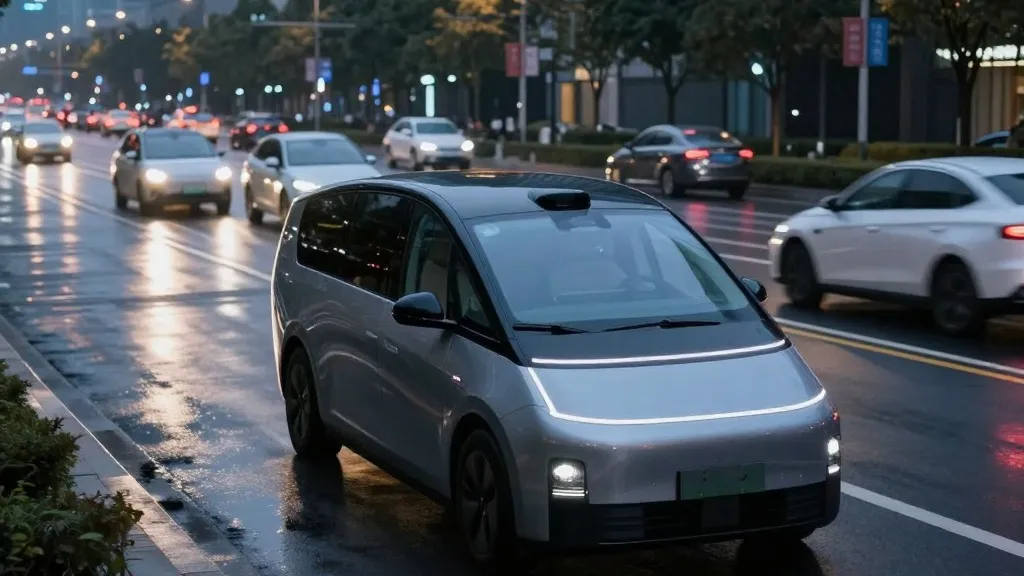
The operational model for this launch is strictly limited to areas where Tesla's Robotaxi service is already active. Currently, this includes six metropolitan areas in the United States, though the serviceable zones within these cities are often geographically constrained. For instance, the Miami service area covers primarily West Miami and a corridor extending toward Doral and Sweetwater. Similar limited geofences were established in Orlando and Tampa upon their launch in July.
Within these designated zones, the autonomous service adheres to specific operational parameters. The vehicles stick to low-speed routes, generally avoid highways, and steer clear of more complex urban driving scenarios. A notable exception to the unsupervised model exists in the Bay Area, where a safety driver remains in every vehicle. This requirement stems from California regulations that mandate data release to the state DMV for systems operating beyond Level 2 autonomy, data Tesla has chosen not to release.
The scale of the current deployment remains modest compared to broader industry projections. Tesla reported that its Robotaxi fleet accumulated nearly 2 million unsupervised miles by the end of the third quarter, a month after the Cybercab model was added to the Austin fleet. Third-party tracking data from earlier this year indicated that the number of fully driverless Teslas on the road was in the dozens, a figure far below the hundreds of thousands previously suggested by CEO Elon Musk.
Competitor Waymo has established a stronger foothold in some of the same markets, operating in both Orlando and Tampa prior to Tesla's entry. Waymo has also logged over 3 million autonomous miles, providing a comparative benchmark for Tesla's progress. The disparity in scale and geographic coverage underscores the competitive landscape Tesla faces as it moves toward its 2027 target.
The current offering represents a shift from the original marketing pitch, which promised a car that would eventually drive itself anywhere via a software update. In July 2025, Musk told investors that unsupervised FSD would be available for personal use in certain geographies by the end of that year. A year prior, he expressed surprise if the technology was not available the following year. Owners of the HW3 hardware have already been informed that their vehicles cannot support unsupervised FSD, with no clear upgrade path outlined.
Elluswamy identified safety as the primary bottleneck limiting the expansion of the service into higher-speed and more complex environments. While he projected that these safety hurdles would be resolved by next year, he acknowledged uncertainty in the timeline. The move to Q2 2027 effectively narrows the product definition, placing owner vehicles under Tesla's operational control within specific zones, rather than offering a universal autonomous driving capability.
This strategic adjustment impacts the value proposition for existing FSD buyers, who originally purchased the feature with the expectation of eventual, unrestricted autonomous travel. The new framework limits the utility of the technology to specific urban pockets where Tesla manages the fleet operations. For the business desk, this signals a cautious approach to scaling, prioritizing operational control and safety metrics over rapid geographic expansion in the lead-up to the 2027 launch.
Source: Electrek